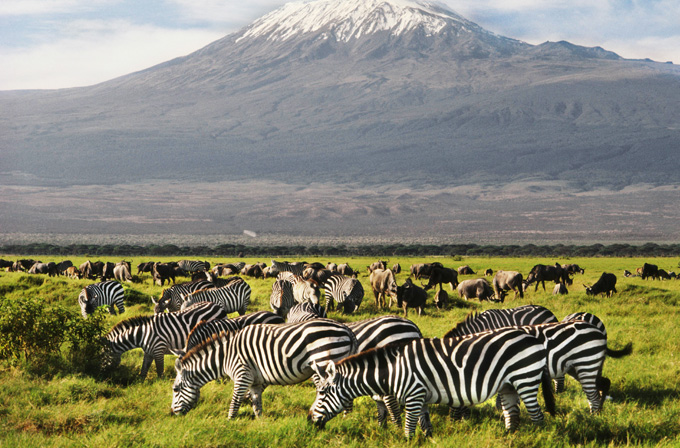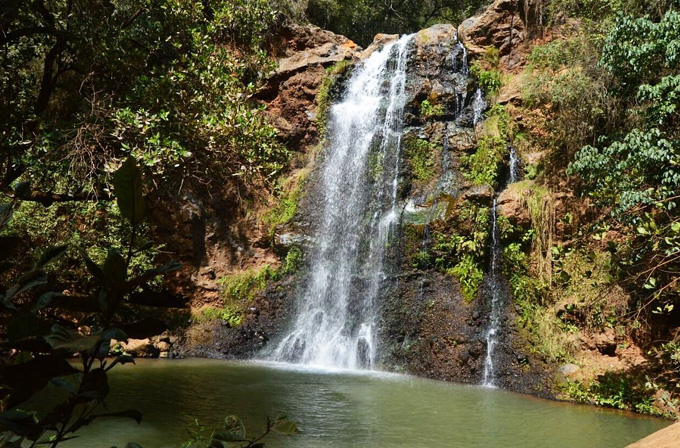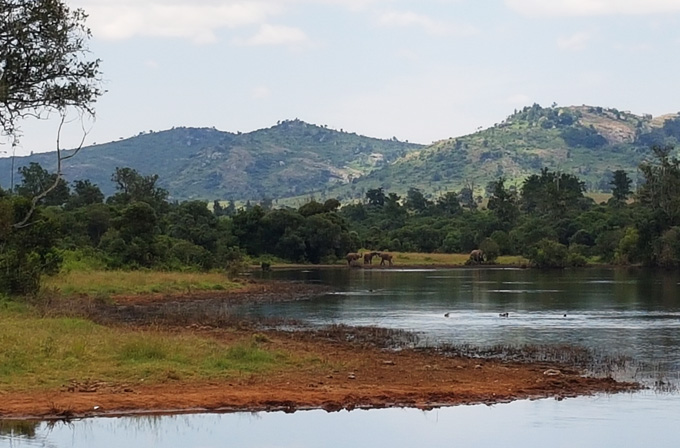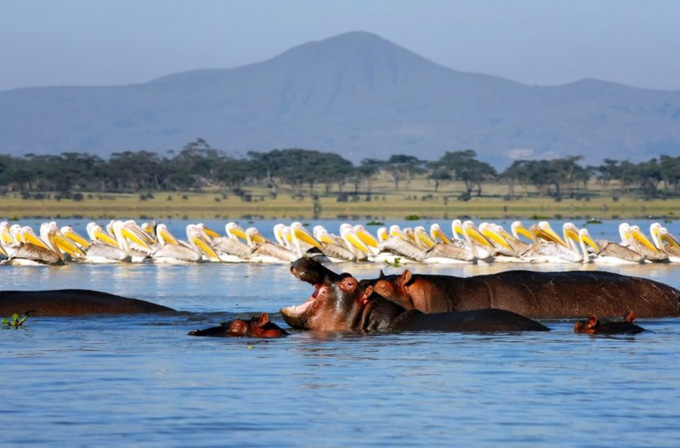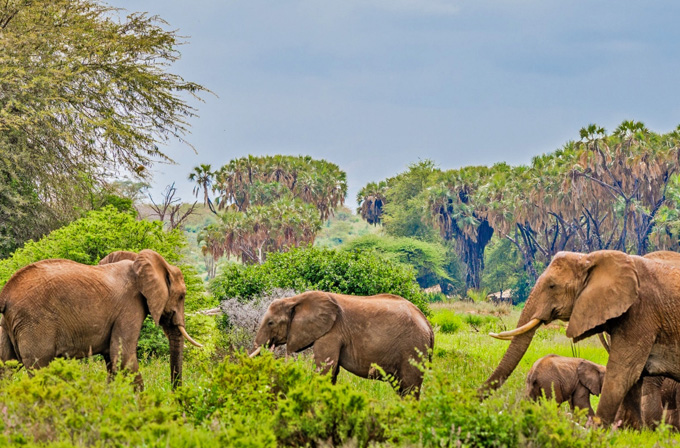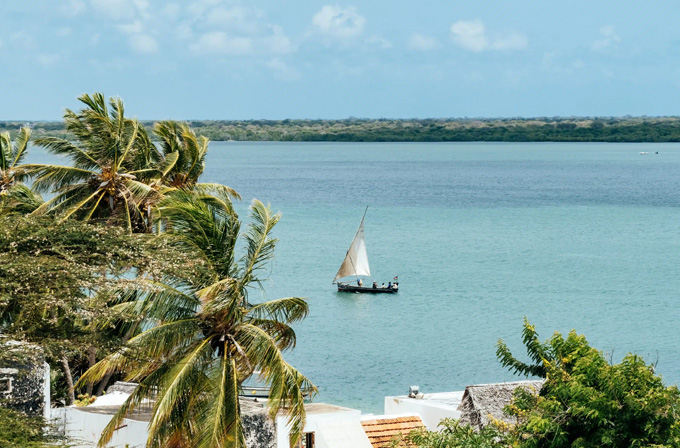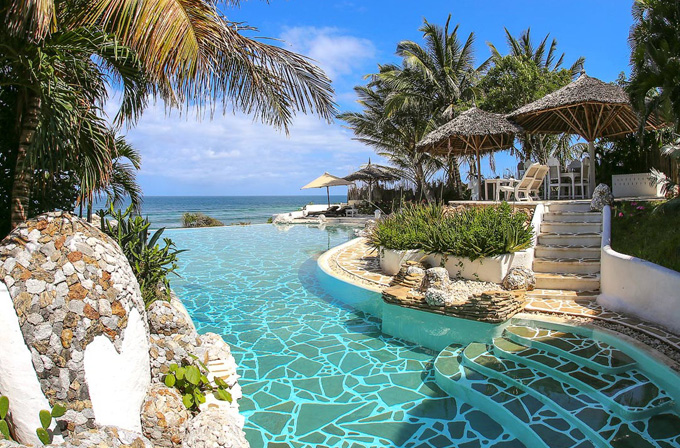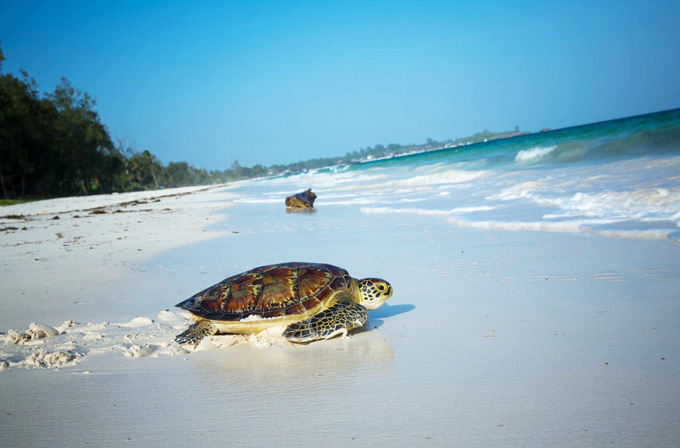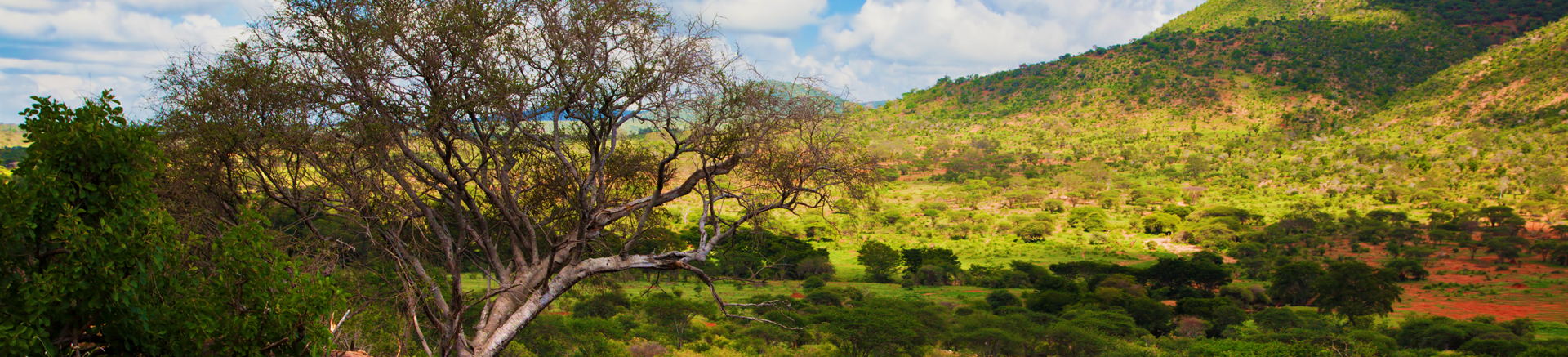
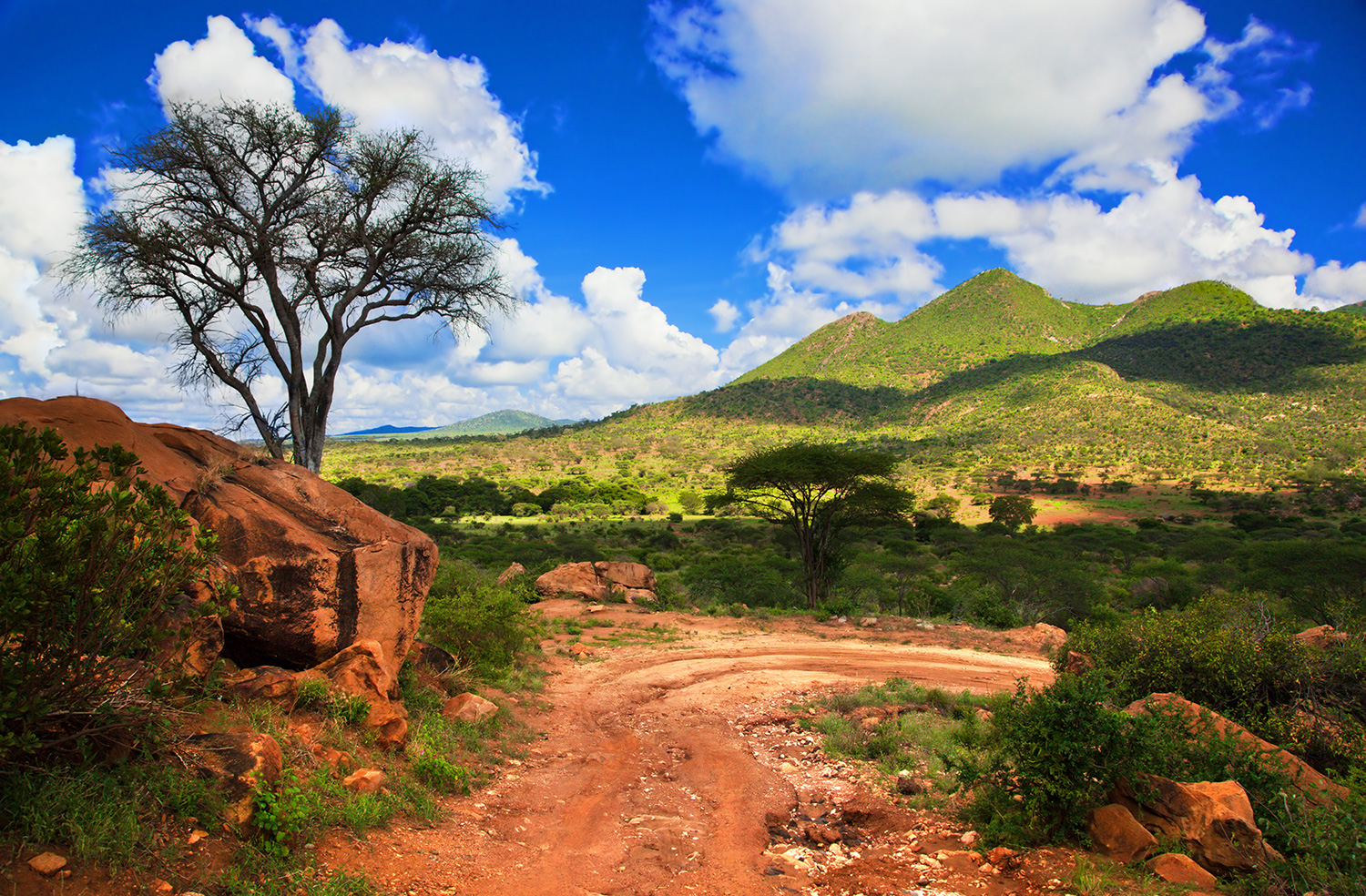
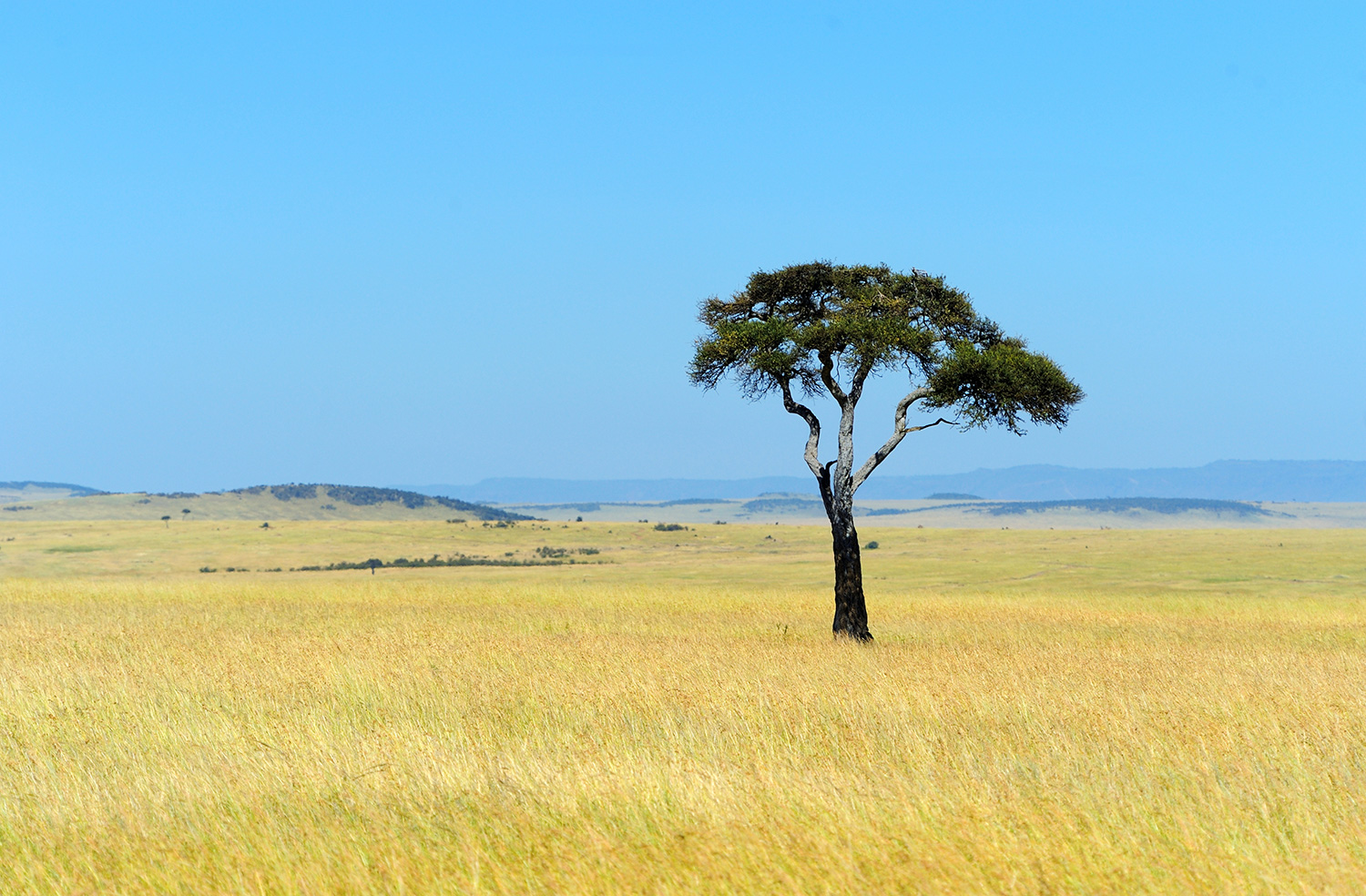
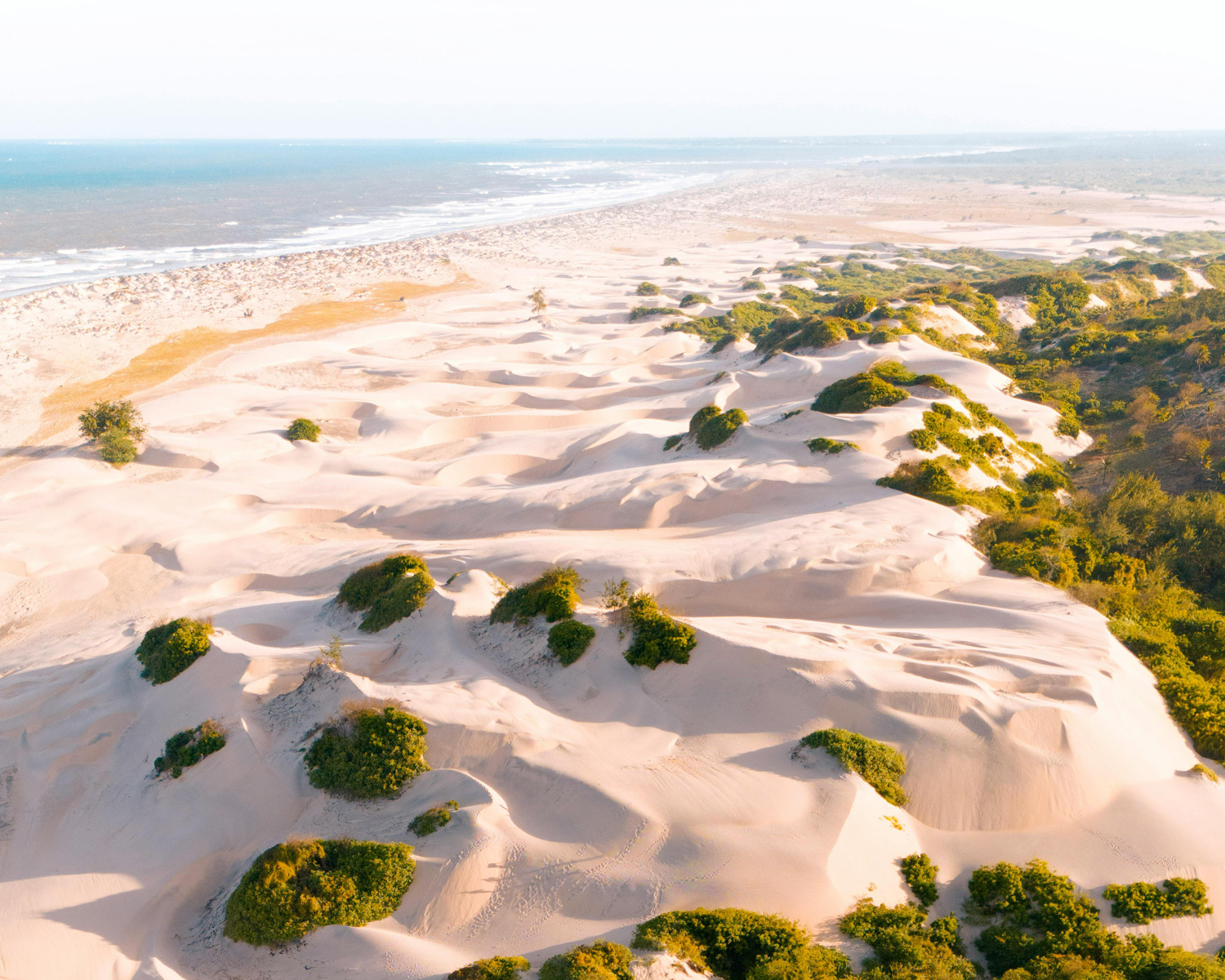
Kenya is a land of breathtaking diversity, from the vast savannas of the Masai Mara to the vibrant coastal culture of Mombasa.
Important Travel Information
Tourist Map
Download a Tourist Map of Kenya here
Currency
The currency used in Kenya is the Kenyan Shilling.
Accessing cash and making payments is generally easy:
Payment Methods:
- Credit/Debit Cards: Most hotels/restaurants accept Visa, Mastercard, and sometimes American Express.
- Mobile Money (M-Pesa): Widely used for all sorts of payments.
- Cash Payments: Accepted in most places, but it’s safer to carry minimal cash.
Access to ATMs
- ATMs are widely available
- Banks like Equity, KCB, ABSA, and Standard Chartered have ATMs that accept international cards.
- Withdrawal Fees: Some banks may charge KES 400–700 per international withdrawal.
Cash or Mpesa for tips/beach vendors
Visa
Tourists visiting Kenya usually need an eVisa, which is applied for online before arrival.
Application Process:
- Apply Online at the Kenya eVisa website.
- Fill in the form with personal details, travel information, and upload the required documents.
- Pay the visa fee (typically $50 for a single-entry visa).
- Receive the eVisa via email (processing takes 2-3 business days).
- Print the eVisa to show at immigration upon arrival.
Required Documents:
- A valid passport (at least 6 months before expiration).
- A passport-sized photo (digital upload).
- Return ticket or proof of onward travel.
- Hotel reservation or invitation letter.
Visa on Arrival?
Kenya no longer offers visas on arrival; all tourists must apply online before traveling.
Required & Recommended Vaccinations
Required Vaccinations
- Yellow Fever: Mandatory if traveling from a country with a risk of yellow fever. Some airlines may check before boarding.
Recommended Vaccinations
- Hepatitis A & B: For food, water safety, and potential exposure.
- Typhoid: Recommended due to risk from contaminated food and water.
- Tetanus & Diphtheria: Ensure you’re up to date.
- Rabies: If you consider visiting rural areas or interacting with animals.
- Malaria Prevention: The Kenyan coast is a malaria-risk area, so antimalarial medication (e.g., Malarone, do NOT take Lariam) is advised.
- Cholera (Optional): If traveling to high-risk areas or during outbreaks.
Additional Precautions
- Mosquito repellent & nets: Essential for malaria and dengue fever prevention. Use DEET-based repellent (50% DEET or higher). Sleep under a mosquito net. Wear long sleeves and pants (in light colors, especially in the evening).
- Drink bottled/filtered water to avoid waterborne illnesses.
*If you experience fever, chills, or flu-like symptoms up to a month after travel, seek medical help immediately. Malaria tests are widely available in Kenya.
Safari & Coastal Destinations
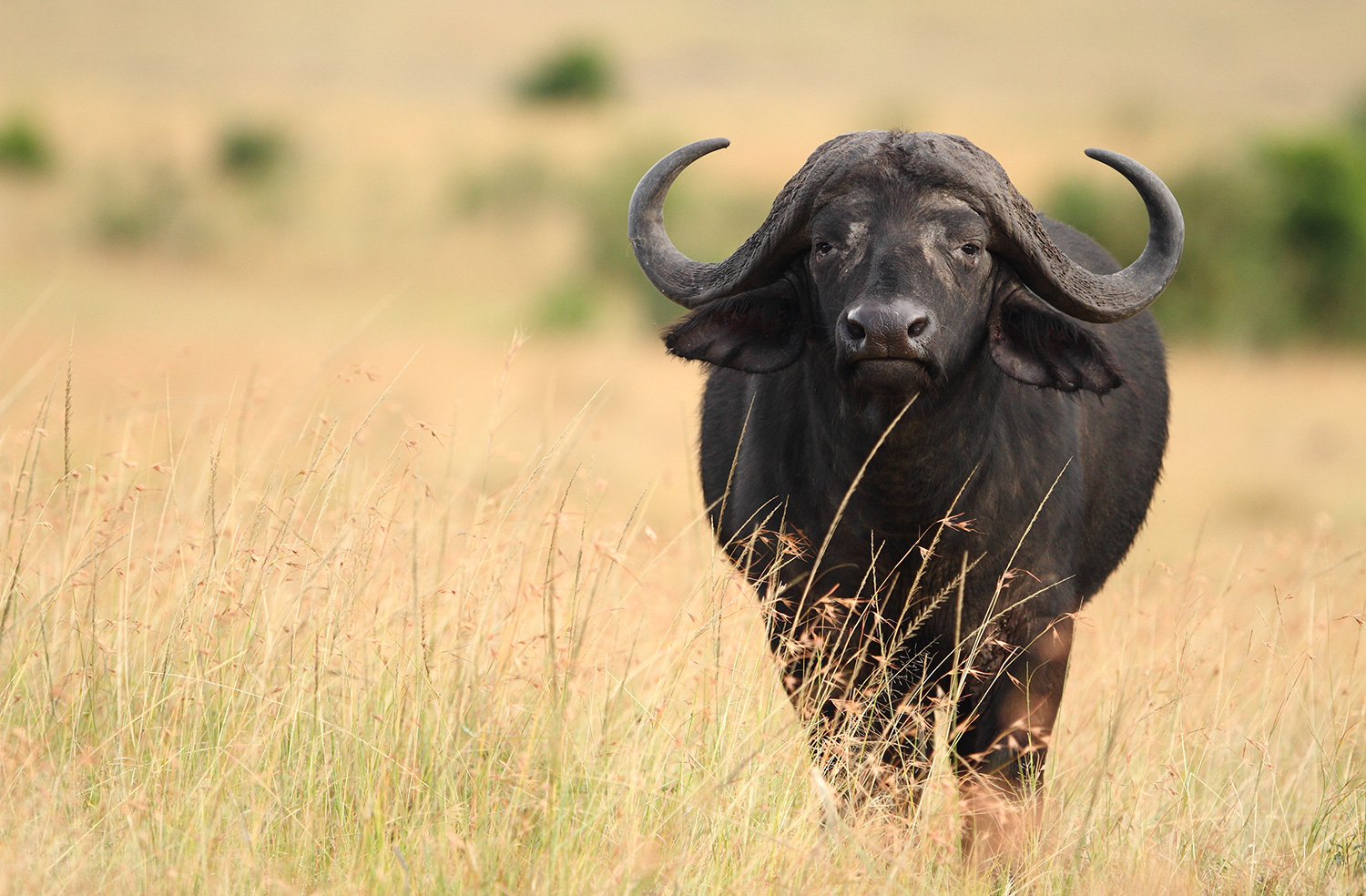
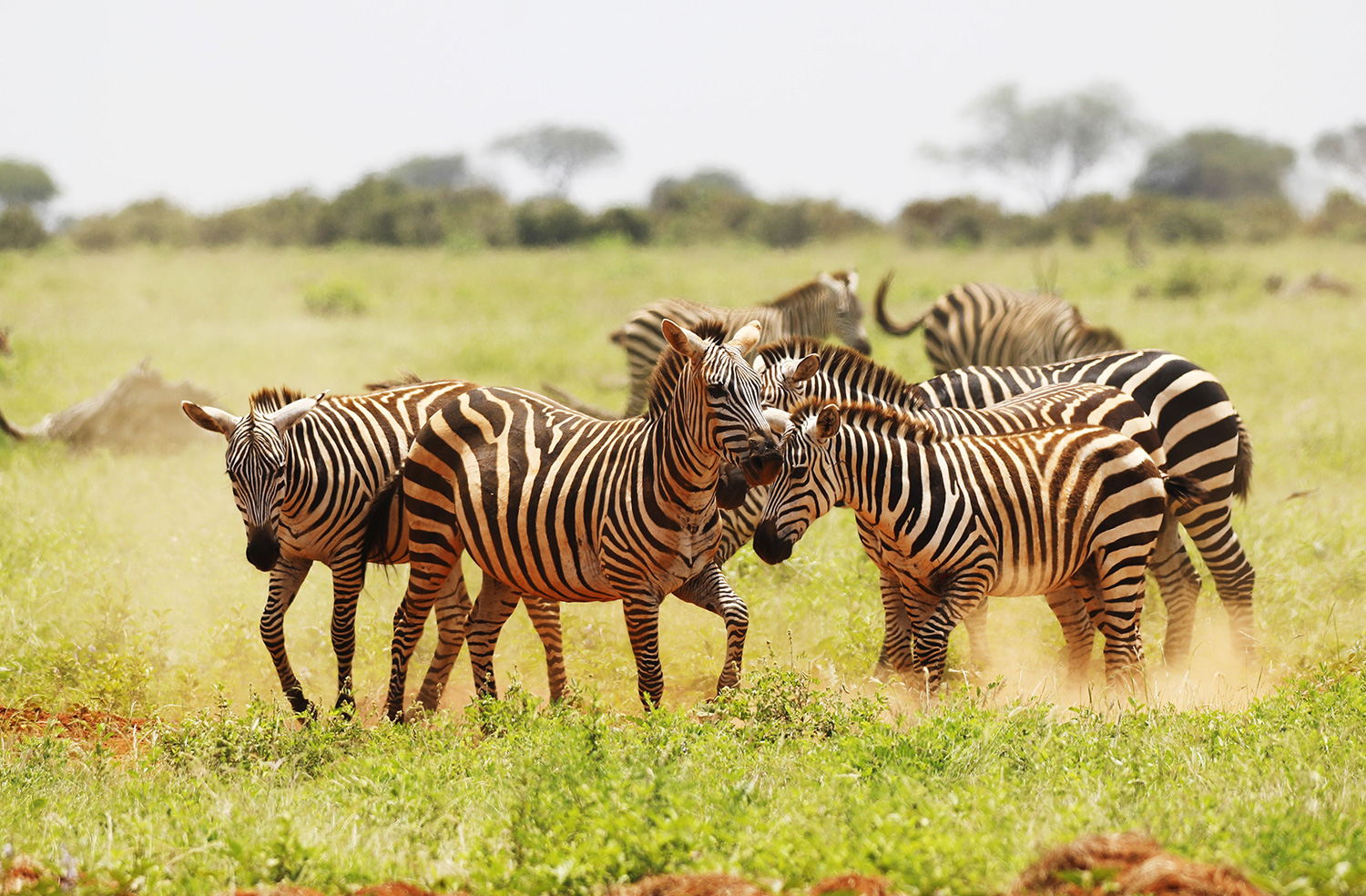
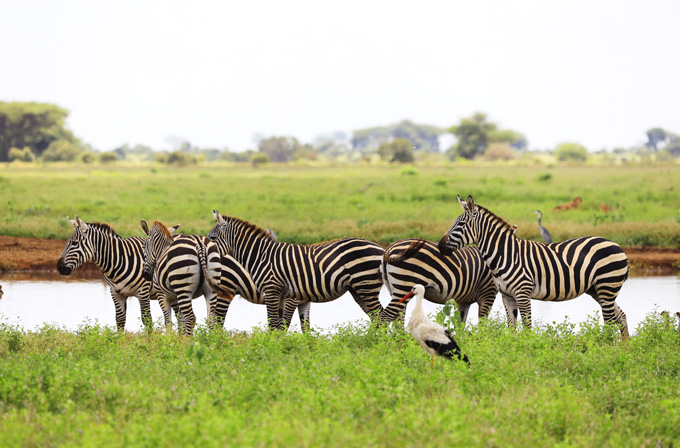
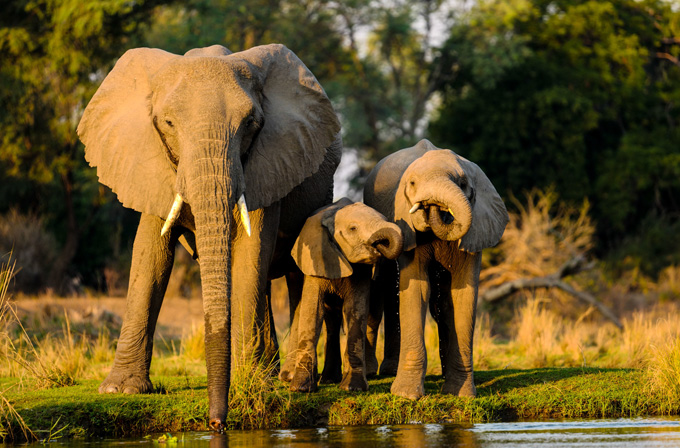
Here’s a collection of the most mesmerizing destinations to extend your journey and take you deeper into Kenya’s untamed beauty.
Masai Mara
SALA’S CAMP
KICHECHE MARA
GOVERNOR’S CAMP
BASECAMP EXPLORER
KAREN BLIXEN LUXURY CAMP
EMBOO CAMP
General Tip Book a balloon flight

Safari & Coastal Destinations
Here’s a collection of the most mesmerizing destinations to extend your journey and take you deeper into Kenya’s untamed beauty.
Masai Mara
SALA’S CAMP
KICHECHE MARA
GOVERNOR’S CAMP
BASECAMP EXPLORER
KAREN BLIXEN LUXURY CAMP
EMBOO CAMP
General Tip Book a balloon flight